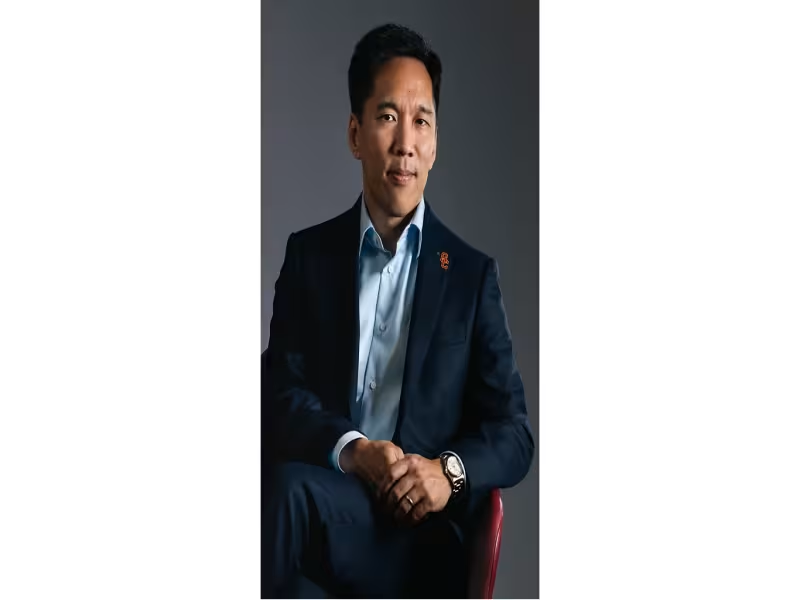
Los Angeles – October 16, 2026 -- The University of Southern California will launch its first bottom-up redesign of undergraduate general education in decades, President Beong-Soo Kim announced at his installation as the university's 13th president at the University Park campus.
Kim sets three priorities for USC's next phase
Kim's vision centers on reimagining education for a rapidly changing world, combining USC's academic and research strengths to address major societal challenges, and deepening partnerships with industry and communities to expand the university's impact.
He also called for more experiential learning and immersive experiences, greater interdisciplinary collaboration, and stronger links with the industries and communities that make Los Angeles a global center of innovation.
Kim ties university trust to responsible stewardship
Kim acknowledged declining public trust in higher education and said universities must earn it through listening, a willingness to change, and meaningful action. He called for responsible stewardship, strategic focus, and a renewed commitment to demonstrating the value of higher education through its impact on students and society.
Looking toward USC's 150th anniversary in 2030, he challenged the university to build on its founding spirit of innovation.
Board elected Kim unanimously on February 4, 2026
The USC Board of Trustees unanimously elected Kim on February 4, 2026, after he served as Interim President from July 1, 2025. He joined USC senior leadership in 2020 and now holds the Robert C. Packard President's Chair.
Suzanne Nora Johnson, chair of the Board of Trustees, described the moment as one of unprecedented change for higher education and said Kim is setting a course grounded in innovation and open dialogue.
Kim brings Harvard and LSE credentials and family ties to USC
Kim is the son of Korean immigrants who both attended graduate school at USC. Born and raised in the Los Angeles area, he graduated Phi Beta Kappa and magna cum laude from Harvard College, earned a master's degree from the London School of Economics, and received his law degree from Harvard Law School.