UNITED STATES -- November 26, 2026 -- US refiners cut gasoline yields below 45% of each crude barrel from January through August 2026, according to a November 5 Energy Information Administration (EIA) analysis. The shift came as diesel averaged $5.94 per gallon in the week of November 16, against $3.81 for regular gasoline.
That is a gap of $2.13 per gallon. By our calculation, diesel costs about 56% more than gasoline.
Refiners ran above 95% utilization while shifting output to diesel and jet fuel
The EIA said gasoline yields were below the previous five-year low in every month from January to August. Historically, US refineries have made roughly 45 to 50 barrels of gasoline per 100 barrels of crude. Distillate yields ran above their five-year average. Jet fuel yields reached at least 12% from March and stayed there through August.
An October 22 EIA report put refinery utilization above 95% of capacity from May to September, the highest for those months since 1998. The EIA cited tight global supplies and strong diesel margins. US refining capacity has fallen since 2019, so high utilization does not mean record output.
A lower yield does not necessarily mean less gasoline. The source gives a simplified example. A refinery running 100,000 barrels a day at a 48% yield makes 48,000 barrels of gasoline. At 110,000 barrels a day and a 44% yield, it makes 48,400 barrels, about 0.8% more. The source does not provide actual national gasoline production volumes.
Falling crude and seasonal demand pushed the gasoline average to $3.66
The national gasoline average dropped to about $3.66 per gallon as of November 21, and remains well above its level a year earlier. The $3.66 figure and the EIA's $3.81 weekly figure cover different dates.
According to AAA, crude had fallen into the low $80s per barrel by November 19. Seasonal factors also contributed. Winter-grade gasoline allows more butane blending, which raises supply and lowers production cost.
EIA data for the week ending November 13 show gasoline inventories up 5.2 million barrels to 215.9 million barrels, about 3% above the five-year seasonal average. Distillate stocks rose 1.6 million barrels to 104.9 million barrels, about 7% below the five-year average. The source cautions against reading too much into a single weekly report.
Diesel-dependent freight, farm and construction users still face the premium
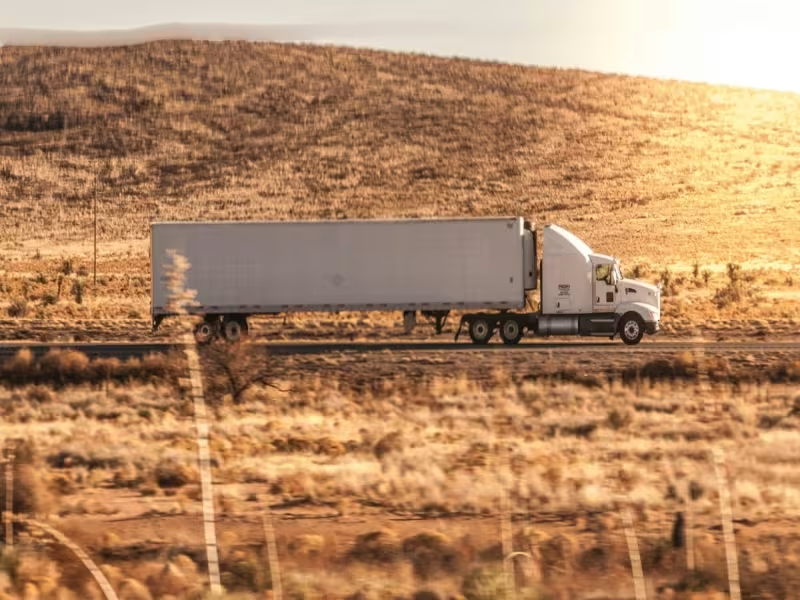
Heavy-duty trucking, agricultural machinery, construction equipment and freight depend heavily on diesel. The source says those costs can pass through into food and building material prices. Businesses therefore see less relief than motorists do from the gasoline decline.
The source expects refiners to keep favoring middle-distillate output while diesel supplies stay tight.