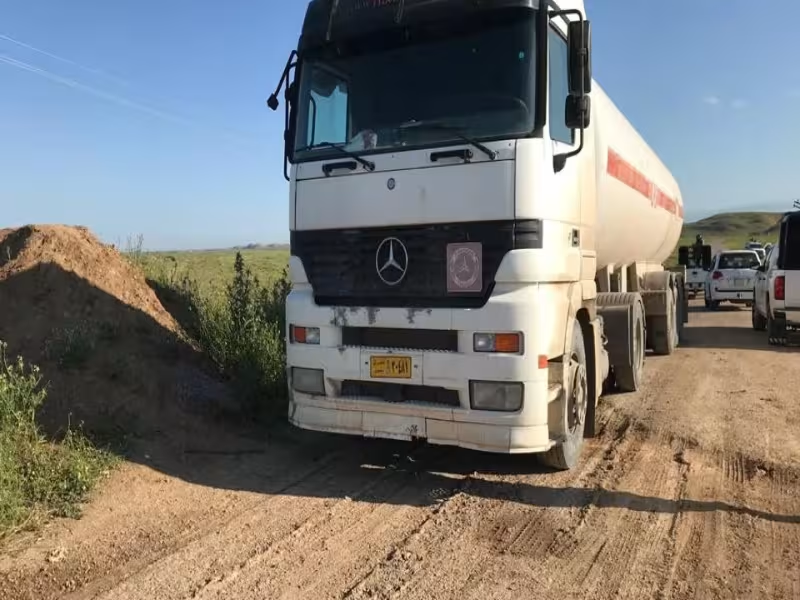
BAGHDAD -- November 25, 2026 -- Iraq closed the Al-Sheeb crossing with Iran in Maysan Province in late October to passengers, vehicles and commercial trucks, cutting one of several land routes for food, construction materials and pilgrims. Bilateral trade was reportedly US$8.9 billion in 2024-25, of which US$8.6 billion, or about 97% by our calculation, was Iranian exports.
One estimate cited in the analysis puts Iran's share of Iraq's consumer market at about 20%. Trade had been projected to reach US$20 billion in 2026, about 2.2 times the 2024-25 level. Iraq has not closed its entire land border with Iran.
Maysan traders, drivers and border staff report lost income and higher prices
On 31 October, truck drivers, taxi operators and border employees protested lost income. Traders reported higher prices for chicken and produce. The provincial council chairman threatened civil disobedience and road blockades. Parliament formed a committee to examine the decision after complaints that the province had not been consulted.
Baghdad's explanations differ. Government spokesman Haider al-Aboudi cited inadequate technical and logistical readiness. Adviser Abdul Amir Tayban to Prime Minister Ali al-Zaidi also cited drug trafficking and counterfeit currency. Iran's Interior Ministry said Baghdad gave no advance notice, and the Iranian Embassy rejected the smuggling allegations. Reports attribute the closure to U.S. pressure, which is unconfirmed.
On 29 October, the head of the General Customs Authority said Al-Sheeb could reopen at any time and that staff and equipment were ready. No reopening date has been announced.
U.S. Central Command's new task force targets Iranian ground routes
In early November 2026, U.S. Central Command announced Task Force Iron Gate "to prevent Iran from using ground routes to transport advanced weapons and other materials." The analysis argues that Baghdad bears the domestic cost of this pressure. It says that cost could endanger a potential US$60 billion in agreements and memoranda with U.S. investors, covering oil, natural gas, pipelines, infrastructure, healthcare and communications, including Starlink.
The Shiite Coordination Framework brokered a truce with militias through the end of 2026, 37 days from today. A separate arrangement links disarmament and political participation to a June 2027 timetable, about six months later. The analysis describes both as reported political understandings. It says they are not evidence that factions will surrender weapons or that the government can enforce the timetable.
Alternative crossings can absorb only part of the diverted trade
The analysis says importers, truckers, warehouse operators, customs brokers, wholesalers and retailers bear the cost of a single-crossing closure through delays to perishables and higher transport and handling costs. Suppliers and crossings in Turkey, Jordan and Saudi Arabia can take some trade, but rerouting is neither immediate nor free. Baghdad earlier let stranded Iranian agricultural goods enter to prevent spoilage.
The analysis says a prolonged shutdown of several major crossings would raise food and construction costs, cut customs revenue and encourage smuggling. Energy flows are separate. Iraq's imports of Iranian gas and electricity depend on pipeline and power arrangements, not on Al-Sheeb.
Development Road costs about US$14 million per kilometer and lies off the Al-Sheeb route
The proposed 1,200-kilometer Development Road would link Grand Faw Port on the Persian Gulf to Turkey and, ultimately, Europe. Baghdad estimates its cost at about US$17 billion, which works out to roughly US$14.2 million per kilometer. Iraqi and Turkish officials announced the launch in July 2026.
The Transport Ministry reports design work is about 95% complete for the railway and 85% for the highway, with land registration under way in southern provinces. Baghdad has discussed a dedicated funding mechanism with Turkey. Separately, World Bank financing of US$900 million is reported for other Iraqi road corridors.
Al-Sheeb is not on the road's principal route. The analysis lists the open issues that lenders will raise: freight forecasts, cost allocation, security, procurement and guarantees, and a complaint by the Kurdistan Regional Government that the road bypasses Kurdish territory.