TDengine

OPC UA Mapping: Keep NodeId, Asset Key and Display Name Separate

Image
OPC UA Mapping: Keep NodeId, Asset Key and Display Name Separate

Global – October 27, 2026 -- An OPC UA NodeId tells a client which node to read, but not which pump, line or measurement that node represents in the plant. Reliable mapping therefore keeps source identity, browse path, equipment identity and user-facing label connected but stored as separate fields.

Namespace indexes can change between sessions, so URIs must be stored

A NodeId such as ns=4;s=Pump01.DischargePressure uses 4 as an index into the session's NamespaceArray. The OPC UA specification allows that index to change in a later session. A stored ns=4 string without its namespace URI can point to the wrong namespace after the server's table changes. Mappings should retain the endpoint, namespace URI, identifier type and identifier, and resolve the current index at connection time.
TDengine taosX gRPC Is Unencrypted by Default in OT-IT Links

Image
TDengine taosX gRPC Is Unencrypted by Default in OT-IT Links

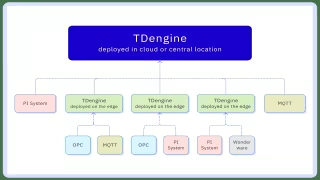
Global – October 27, 2026 -- The taosX gRPC interface in TDengine TSDB Enterprise is unencrypted by default, so teams collecting OPC UA data across network zones must explicitly enable and verify TLS, according to TDengine's security documentation. The point is part of a wider OT/IT integration checklist: a working OPC UA client beside the server proves only that the endpoint and credentials work locally, not that the same path should be opened from an enterprise historian into the control network.

Zones and flows come before collector placement

Segmentation protects more than confidentiality. OPC UA protocol security provides application authentication, message integrity and confidentiality, while network controls provide routing boundaries, firewall policy, inspection and isolation. Neither replaces the other: an encrypted session can still cross an overbroad firewall rule, end on a compromised collector, or run under an over-privileged account.