Mahindra & Mahindra

India EV Share Hits 8% as Tata, Mahindra Take 63% of BEV Sales
Image
India EV Share Hits 8% as Tata, Mahindra Take 63% of BEV Sales

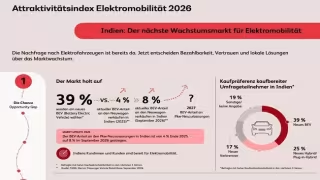
Frankfurt – November 03, 2026 -- Battery-electric vehicles took more than 8% of Indian passenger car registrations in September 2026, and BEV registrations nearly doubled from a year earlier, according to FADA data cited by consultancy BearingPoint. Tata Motors and Mahindra & Mahindra together captured about 63% of those BEV registrations, narrowing the window for European carmakers to build a position.

The share of electric vehicles in Indian new-car registrations stood at just 4% at the end of 2025, per FADA. It has climbed steadily through 2026 and is approaching the 10% mark.

Urban buyers favor BEVs 39% to 17% over combustion cars

BearingPoint's international e-mobility study shows a gap between purchase intent and market reality. Among urban respondents likely to buy a vehicle within three years, 39% prefer a new BEV and 25% a hybrid or plug-in hybrid. Only 17% want a new petrol or diesel car.

Lear Q3 Profit Jumps 26% as Buyback Authorization Hits $1.5B

Image
Lear Q3 Profit Jumps 26% as Buyback Authorization Hits $1.5B

SOUTHFIELD, Michigan – October 30, 2026 -- Lear Corporation (NYSE: LEA) lifted third-quarter 2026 net income 26% to $137 million on revenue of $5.8 billion, up 2% year over year, and expanded its share repurchase authorization to $1.5 billion through December 31, 2029.

Adjusted earnings per share rise 33% despite weaker industry output

Adjusted net income climbed 23% to $185 million, while adjusted earnings per share reached $3.71 against $2.79 a year earlier. Reported earnings per share rose 36% to $2.74. Lear credited higher earnings and its buyback program for the gains.

Core operating earnings increased 6% to $256 million, or 4.4% of sales, compared with $241 million, or 4.2%, in the third quarter of 2025. Commercial recoveries, restructuring and IDEA by Lear savings supported earnings. Lower production on key Lear platforms and higher engineering and launch costs partly offset them.