BRAZIL -- November 24, 2026 -- Brazil has issued two roadmaps urging countries to phase out fossil fuels, proposing coordinated international action through 2033 but setting no deadlines or action milestones for any country. The 2033 horizon falls 10 years after the COP28 summit in Dubai and, by our calculation, about seven years from 2026.
Brazil, host of the COP30 summit in 2025, announced the roadmaps in early November, ahead of COP31 in Turkey, which ran from 9 to 20 November. André Corrêa do Lago, Brazil's president of COP30, called them "documents of implementation". He said that negotiating and implementing are done by different groups of people, and that transportation, energy and infrastructure ministries should use the roadmaps to build national implementation plans.
The roadmaps list optional measures but no benchmarks
Countries can choose which recommendations to adopt in national climate legislation. The measures include:
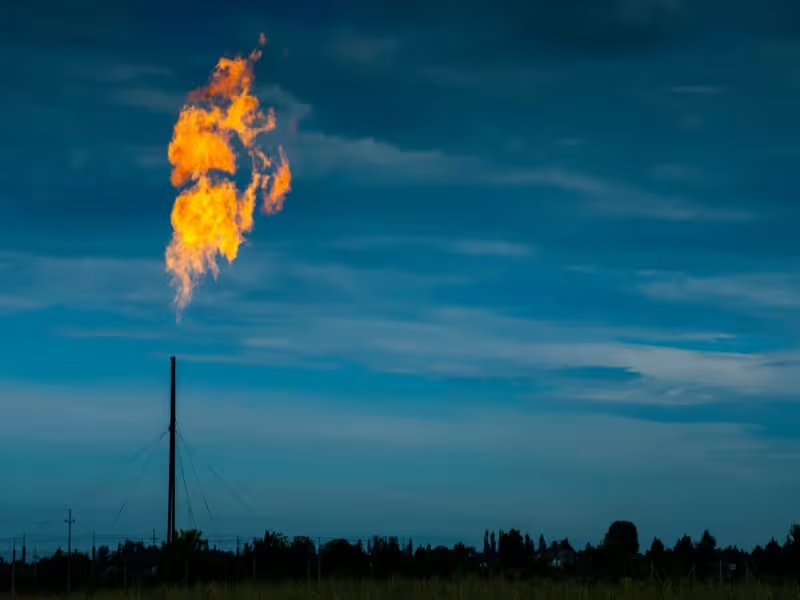
- cutting gas flaring and venting by oil and gas producers;
- reducing government subsidies for fossil fuel production and use;
- building new renewable energy capacity;
- providing financial support to low-income countries on deforestation and climate change;
- regulating trade between forested and consumer countries.
The roadmaps state there is no "one-size-fits-all" approach. Each country is meant to "diagnose" how far it depends on fossil fuels and then set its own steps. The reporting gives no amount for the proposed financial support to low-income countries.
Joeri Rogelj, professor of climate science and policy at Imperial College London, said the roadmaps are valuable but include no timeline or key benchmarks. In his assessment, that leaves unclear the pace of change needed to meet the Paris Agreement goal of limiting warming to well below 2°C, and preferably 1.5°C.
The gap matters against the COP28 text. UN member states called there for "transitioning away from fossil fuels in energy systems" with the aim of net zero by 2050. That date lies 17 years after the end of the roadmaps' 2033 horizon, by our calculation.
About 60 countries already pledged national roadmaps in Colombia
In April, countries met in Santa Marta, Colombia, to follow up on COP30. Around 60 attendees formed a "coalition of the willing", with each member expected to set a national roadmap. Germany, France and the Netherlands have since published national plans tailored to their circumstances, with more specific actions and timelines than the Brazilian documents contain.
The Brazilian framework therefore targets governments without a clear strategy. Their energy, transport and infrastructure ministries are the intended users. Corrêa do Lago said that once countries complete their diagnoses, they can choose their policy levers and implement the transition at their own rhythm.