SHERIDAN, WYOMING - May 19, 2026 - Koelnmesse has launched a hydrogen-powered forklift initiative designed to reduce emissions across logistics operations at its exhibition grounds in Cologne, marking what the company describes as the first deployment of locally emission-free hydrogen forklifts at a trade fair venue. The project combines green hydrogen supply, on-site refuelling infrastructure, and fuel-cell vehicle operations to support exhibition setup and dismantling activities. Logistics provider DSV operates the fleet in collaboration with JA-Gastechnology GmbH and hydrogen supplier Tyczka. The initiative reflects a broader operational focus on decarbonising logistics workflows while maintaining the continuous equipment availability required for large-scale trade fair operations.
Hydrogen Infrastructure Integrated Into Exhibition Operations
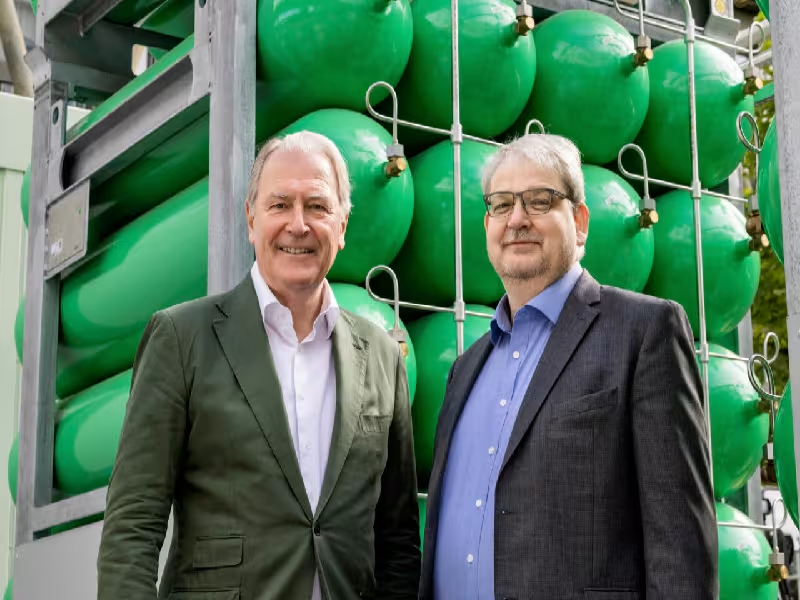
Koelnmesse has introduced a dedicated hydrogen refuelling station directly on the exhibition grounds to support the new forklift fleet. The station was developed together with JA-Gastechnology GmbH, while Tyczka supplies the green hydrogen used in daily operations. According to the companies involved, the hydrogen is produced from water using renewable electricity, removing fossil fuels and associated CO₂ emissions from the production process.
The deployment is structured around the operational demands of exhibition logistics, where equipment uptime and rapid turnaround times are critical during venue setup and dismantling phases. By integrating refuelling infrastructure directly into the venue environment, the partners aim to create a workable model for continuous logistics operations without local exhaust emissions.
DSV Expands Sustainable Logistics Operations at Cologne Venue
DSV operates the hydrogen-powered forklifts as the official logistics service provider for the Koelnmesse site. The company stated that the first ten hydrogen-powered forklifts are now in operation together with the supporting refuelling infrastructure.
"By commissioning the first ten hydrogen-powered forklifts and a dedicated hydrogen refuelling station, we are setting a milestone in Cologne: this is the first DSV exhibition site in Germany to operate a hydrogen-based forklift fleet alongside the corresponding refuelling infrastructure."
The logistics model focuses on maintaining operational continuity during periods of intensive equipment use. The companies involved stated that fuel-cell forklifts can be refuelled quickly while maintaining stable performance during continuous operations, positioning the technology as an alternative to battery-electric equipment in demanding logistics environments.
Operational Focus on Continuous Trade Fair Workflows
Trade fair logistics require equipment capable of operating through extended setup and dismantling periods that often involve continuous material handling across large indoor and outdoor exhibition areas. Koelnmesse stated that hydrogen-powered forklifts offer advantages in this environment because of short refuelling times and high operational availability.
The fuel-cell systems generate no local emissions during operation, producing only water vapour. The companies also highlighted the absence of soot and other pollutants during vehicle use, which may support cleaner operational conditions across exhibition facilities.
Koelnmesse linked the initiative to broader operational sustainability goals for the exhibition industry. The organisation said that many long-term sustainability measures within trade fair operations occur in infrastructure and logistics systems that remain largely invisible to visitors and exhibitors.
"We are proud to take another important step towards sustainable and climate-friendly trade fair operations by deploying fuel cell technology and green hydrogen at our site."
Green Hydrogen Positioned as Decarbonisation Measure
A central component of the project is the use of green hydrogen produced through electrolysis powered by renewable electricity. The companies involved positioned this as an important distinction from hydrogen production methods that rely on natural gas.
According to the announcement, the use of renewable electricity in hydrogen production removes CO₂ emissions from the energy generation stage and contributes directly to logistics decarbonisation efforts. The operational model therefore addresses both vehicle emissions and fuel production emissions within the logistics chain.
The initiative also demonstrates how exhibition operators and logistics providers are testing alternative energy systems within venue operations. Rather than limiting sustainability measures to building systems alone, the project extends decarbonisation efforts into freight handling and material movement activities associated with trade fair operations.
Potential Integration With On-Site Solar Energy Systems
Koelnmesse stated that future plans may include converting surplus electricity from its photovoltaic systems into hydrogen directly on site through electrolysis. The company said this could create a closed energy cycle connecting renewable electricity generation with logistics fuel consumption at the exhibition grounds.
The recently installed refuelling station forms part of the infrastructure required for such a model. If implemented, the system would allow renewable electricity generated at the venue to contribute directly to hydrogen production for operational logistics equipment.
This approach reflects a longer-term infrastructure strategy focused on integrating renewable energy systems with operational equipment requirements. For exhibition operators managing large facilities with substantial logistics demands, such integration could support additional energy flexibility within day-to-day venue management.
Exhibition Sector Tests New Logistics Technologies
The project positions Koelnmesse among exhibition venues experimenting with hydrogen-based operational systems. The partners described the initiative as part of a wider effort to introduce climate-friendly solutions into the exhibition and events sector.
For logistics operators, the deployment also serves as a live operational test case for hydrogen-powered material handling equipment within high-intensity event environments. The model combines vehicle operations, energy supply, and venue infrastructure into a single operational ecosystem intended to support continuous trade fair logistics activities.