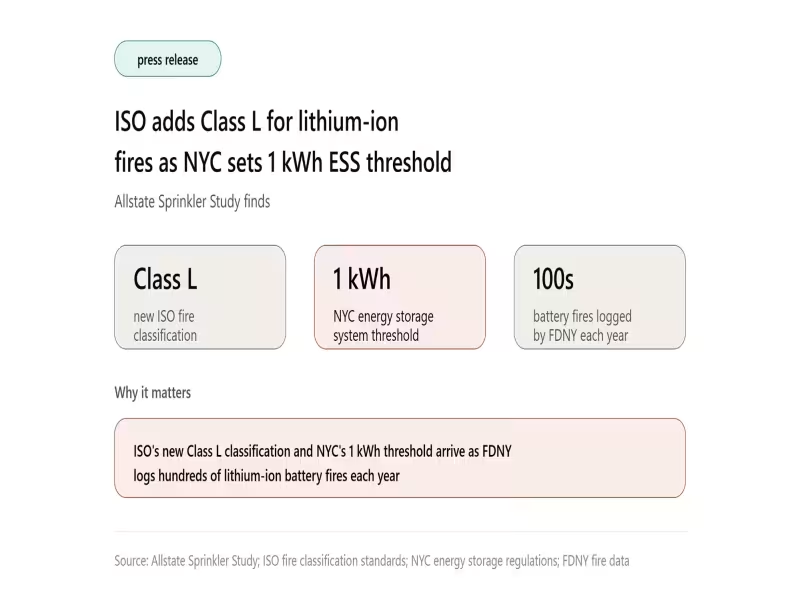
The Bronx, N.Y. – September 29, 2026 -- The International Organization for Standardization published the third revision of ISO 3941 on January 21, 2026, introducing Class L as a distinct fire classification for lithium-ion cell and battery fires, arriving as New York City enforces a 1 kWh threshold for lithium-ion energy storage systems under its amended NFPA 855 code. Allstate Sprinkler, a Bronx-based fire protection contractor operating since 1972, released an analysis linking the new global standard to New York's existing regulatory posture and to FDNY incident data spanning 2023 through mid-2026.
ISO separates lithium-ion risk from metal-fire and conventional combustible classes
Class L covers lithium-ion cells and batteries containing no metallic lithium, distinguishing them from Class D, which applies to combustible metal fires including lithium-metal batteries. ISO cites higher energy density than conventional combustibles, rapid fire growth, venting of hot gases, cascading thermal runaway, projectile expulsion of burning material, and stranded electrical energy with re-ignition risk as the technical drivers behind the new class.
NYC set a 70-fold stricter threshold for lithium-ion than lead-acid storage before ISO acted
Under NYC's amended NFPA 855 framework, lithium-ion ESS trigger regulatory obligations at just 1 kWh, compared with a 70 kWh threshold for lead-acid battery storage in the same Construction Code framework. Systems above the lithium-ion threshold require design approval, equipment listing, large-scale fire testing, and FDNY approval -- obligations not automatically triggered for lead-acid systems until they reach far greater capacity. The threshold predates the ISO revision.
FDNY logged 277 lithium-ion fires in 2024 while fatalities dropped 66%
FDNY recorded 277 lithium-ion battery fires citywide in 2024, up from 268 in 2023. Deaths tied to these fires fell from 18 in 2023 to six in 2024, a 66% decline. By June 12, 2025, the department had already logged 110 fires and 25 injuries for the year. FDNY's review found nearly 60% of 2023 lithium-ion fires occurred while batteries were not charging, undercutting assumptions that charging periods carry the primary risk window.
Queens death in June marks 2026's first lithium-ion fire fatality
FDNY reported in late June that a charging-related lithium-ion battery fire caused the city's first such fatality of 2026, in Queens. The analysis frames this as a single data point within a sustained multi-year risk pattern rather than a new trend.
New York state now mandates bilingual warning tags on charging cords
Separate from FDNY's building-code approach, New York State Department of State Division of Consumer Protection regulations effective January 5, 2026 require charging cords sold for covered micromobility devices, limited-use motorcycles, and e-bikes to carry warning tags in English and Spanish.
Existing sprinkler inspections do not verify lithium-ion compliance, contractor warns
Allstate Sprinkler's analysis notes that routine NFPA 25 inspections confirm whether a sprinkler system functions to its design specification but do not assess battery chemistry, charging behavior, storage configuration, or whether an installed system crosses NYC's 1 kWh threshold. The firm recommends building owners pursue documented hazard assessments rather than assume existing suppression systems are adequate, noting FDNY approval and UL testing are generally required absent specific exemptions.